







Search Results for: Bitter Melon
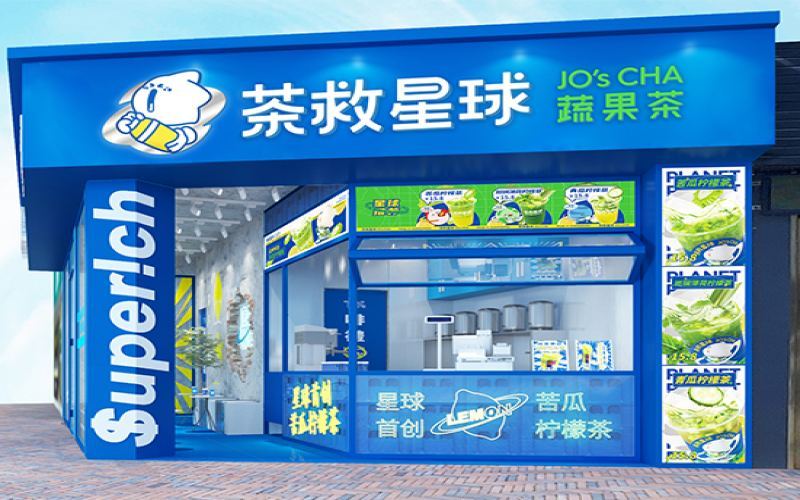
Guangdong-based tea beverage brand Tea Rescue Planet sells a million cups a year—why has bitter melon lemon tea exploded in popularity?
Cantonese people often say they "get internal heat from just drinking water." Although herbal tea can reduce internal heat, it is bitter and hard to swallow. The Guangzhou-based tea beverage brand Tea Save Planet took a different approach by combining bitter melon with lemon tea, creating the first bitter melon lemon tea, which unexpectedly ignited the market. In just one year, Tea Save Planet sold more than 1 million cups of tea beverages, with stores covering 16 cities nationwide and the number of stores exceeding 180. This brand, which began planning in 2019, after a quiet period in the early days of the pandemic, expanded rapidly starting in March 2020. Front Street Coffee believes that Tea Save Planet's success is inseparable from local cultural identity, differentiated innovation, and distinctive brand design. This article will analyze in detail the rise of this phenomenal tea beverage brand. [more…]
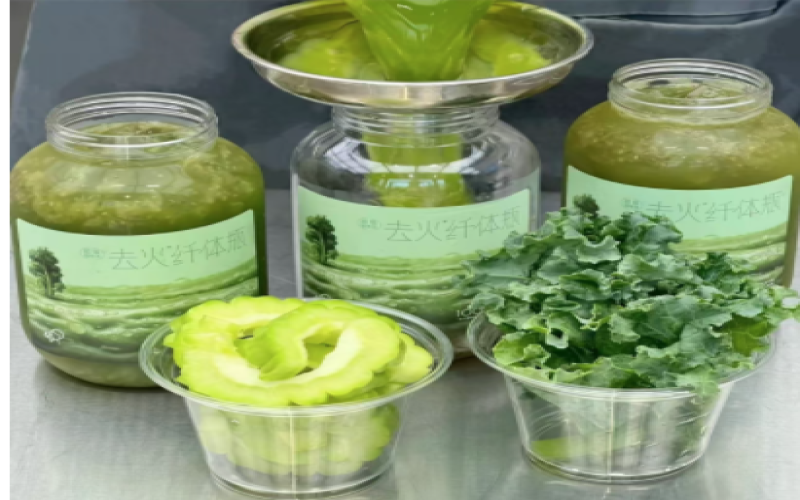
Heytea launches a "fire-reducing slimming bottle," and store employees are overwhelmed by endless fruit cutting.
Heytea recently launched the "Fire-Clearing · Slimming Bottle," the second product in its "Super Plant Tea" series, featuring kale and bitter melon as the core ingredients, paired with apple, lemon water, tea infusion, and white pomelo pieces. The official emphasis is on 100% fresh ingredients freshly squeezed, with no added concentrated juice, and only about 100 calories. Just one day after its launch, the new product was sought after by young consumers, with many reporting that the bitter melon taste is not very noticeable and the drink is refreshing and easy to drink. However, the hot sales of this beverage have also brought enormous pressure to store employees, with the workload of apple washing and juicing surging, and back-of-house partners complaining endlessly. This article will take you through the features of this new product, consumer feedback, and the real situation behind the stores. [more…]

Luckin stores add new muddlers and dicers, fresh-cut fruit could be the next move, raising concerns about workers' workload
In recent years, tea beverage brands have been adding fresh fruits and vegetables to their fruit tea products in pursuit of genuine ingredients. Luckin, however, has long relied on fruit concentrates and quick-frozen dried fruit due to the limitations of its store conditions, making many tea beverage peers envious. Recently, though, some Luckin stores in Guangdong, Chengdu, and other regions have successively received new materials such as muddling sticks, cut-resistant gloves, and labels for fruit washing machine storage areas, while internal order forms also list equipment including dicers and strawberry hullers. These tools have no direct connection to the drinks currently on sale, and the appearance of a bitter melon light-body fruit and vegetable tea and a bitter melon fruit and vegetable Americano—neither of which is on the menu—in the mini-program coupons has sparked employees' speculation that Luckin may introduce fresh-cut fruit. Once freshly cut fruit enters the production process, whether Luckin stores staffed by a single person can withstand peak-hour pressure has become the most anxiety-inducing question for workers. [more…]
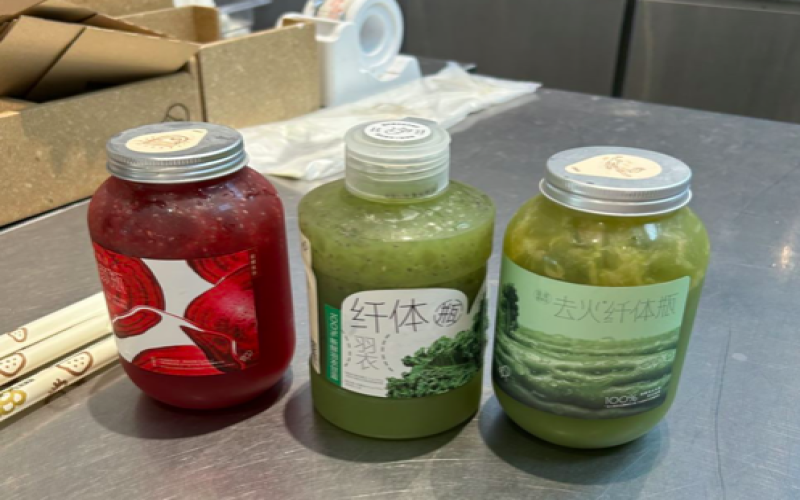
HEYTEA's Super Plant Tea keeps launching new products, and back-of-house staff turned into all-day fruit and vegetable processors are crying out that they can't take it anymore.
Heytea's "Super Plant Tea" family has welcomed a new member, the Red Beet Beauty Bottle, and the pace of new product launches in the fruit and vegetable beverage track is remarkable. However, behind the frequent launches, the work intensity in store back kitchens is constantly increasing. From the original chia seed slimming bottle to the bitter melon fire-clearing slimming bottle, and now to the new red beet product, employees are constantly busy around the sink, cutting board, and blender, washing vegetables, peeling, chopping, blanching, and juicing, with increasingly complicated procedures. The surge in orders during the National Day holiday has made workers complain endlessly, with some sighing that they have to process more than ten jin of fruits and vegetables a day, and blenders even overloaded to the point of smoking and breaking down. This article takes you through the real working conditions of Heytea's back kitchen employees, and the little-known daily hardships under the fruit and vegetable beverage craze. [more…]
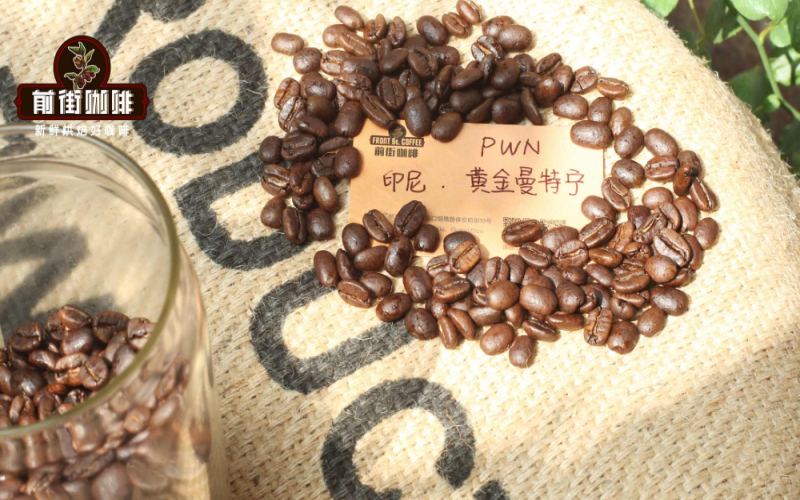
Analysis of Sumatra Golden Mandheling Washed Processing Method and Pour-Over Parameter Sharing
Sumatra Golden Mandheling is renowned for its rich, full-bodied taste and distinctive herbal spice aroma, making it a favorite among coffee lovers who prefer bold flavors. However, the hot and humid environment of Sumatra poses significant challenges to coffee processing, doubling the washing and drying time, and any slight misstep can lead to over-fermentation or mold. Starting from the terroir of the production area, this article will analyze the difficulties of washed processing for Golden Mandheling and share Front Street Coffee's complete brewing method—from water temperature and coffee-to-water ratio to pouring techniques—to help you avoid the pitfalls of bitterness in dark-roasted beans and brew a cup of Mandheling with chocolate, cream, and caramel notes that is sweet and smooth. [more…]
Analysis of the Semi-Washed Processing Method for Sumatra Golden Mandheling and Brewing Parameters
Golden Mandheling originates from Sumatra, Indonesia, and is one of the representatives of Asian coffee, renowned for its rich, full-bodied taste and unique herbal spice aroma. However, Sumatra's hot and humid tropical rainforest climate makes drying coffee cherries a challenge, which is why the semi-washed processing method has become a wise local choice for coping with the humid environment. For those who enjoy bold flavors and dislike acidic single-origin coffees, Mandheling is a fairly safe choice. But dark-roasted beans tend to extract bitterness during pour-over brewing—how do you strike a balance? Front Street Coffee has developed a Golden Mandheling brewing recipe by adjusting water temperature, grind size, and coffee-to-water ratio. This article will share the parameters and techniques in detail to help you brew a cup of sweet, mellow Mandheling. [more…]
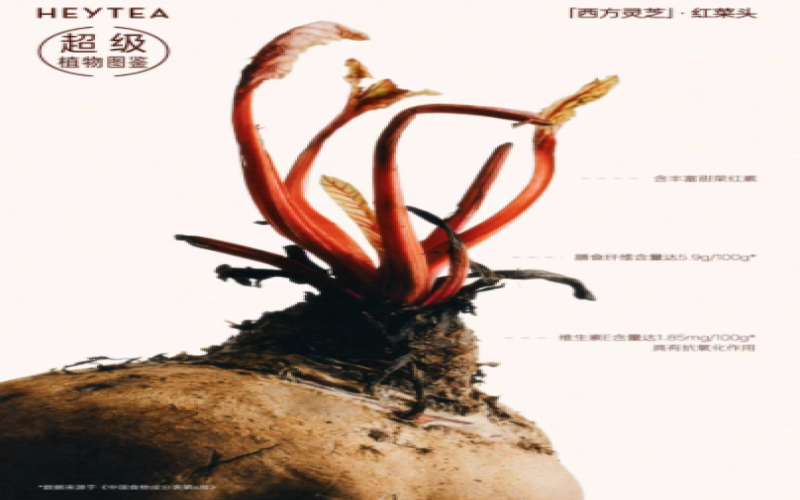
Heytea's Super Plant Tea launches another new product, the Beetroot Beauty Bottle, with polarized reviews
After the National Day holiday, Heytea launched the third product in its Super Plant Tea series—the Beetroot Beauty Bottle. This fruit-and-vegetable tea drink, starring beetroot, continues the previous slimming bottle line and claims to have beauty-enhancing and slimming benefits. Beetroot, an ancient ingredient originating from the Mediterranean, is rich in betalains and dietary fiber and holds a high status in European folk tradition. The new product is made from 100% freshly squeezed beetroot, combined with apple juice, pineapple juice, lemon juice, and a fragrance-free Green Yan tea base, offering a fresh and light taste. However, consumer feedback has been polarized: those who like it appreciate the balance between the slight astringency of the whole food and the tartness of the apple, while those who don't describe it as tasting like a mouthful of dirt. Heytea's previously launched Champion Slimming Bottle and Fire-Clearing Slimming Bottle both achieved impressive sales, and competition in the fruit-and-vegetable tea segment is intensifying. [more…]

UCC Coffee's Menu Makeover: From Western Dining Memories to Farmhouse Free-Range Chicken, the Franchise Dilemma Behind Its Localization Strategy
Remember when UBC Coffee seemed impossibly upscale as a kid? That chain brand, which once embodied the first Western dining experience for the post-70s and post-80s generations, has now quietly transformed itself. From bitter melon and pork rib soup paired with pasta in Guangdong outlets, to farmhouse free-range chicken and steamed sea bass on Shanghai menus, UBC Coffee's degree of localization leaves even KFC and Pizza Hut in the dust. Is this proactive innovation or a desperate act of self-rescue? After franchisees pay their fees, headquarters washes its hands of them; membership cards are not valid across regions; and service standards vary wildly from store to store. As competition among large chain brands reaches a fever pitch, and independent coffee shops and some chain brands face a predicament, UBC Coffee has chosen a down-to-earth path of transformation. This article will walk you through how this former high-end Western restaurant has incorporated Chinese cuisine elements, and the survival logic behind its coffee-and-food pairing strategy. [more…]
Yunnan Catimor vs. Typica Pour-Over Comparison: A Complete Flavor Analysis from Origin and Variety to Roasting and Extraction
Yunnan, as the earliest coffee-growing region in China, boasts premium production areas such as Baoshan's Lujiangba, yet varietal differences profoundly influence pour-over flavor. This article begins with the historical origins of Catimor and Typica, the terroir of the production areas, and green bean characteristics, then meticulously documents the entire process of Catimor red cherry natural processing. Through multiple rounds of roasting curve cupping and three adjustments of pour-over parameters, it explores how to diminish Catimor's herbal and woody bitterness while preserving its steady fruit acidity and caramel sweetness. The article also compares the flavor trajectories of varieties such as Huaguoshan, making it suitable for pour-over enthusiasts seeking a deeper understanding of Yunnan coffee's varietal characteristics and extraction logic. [more…]
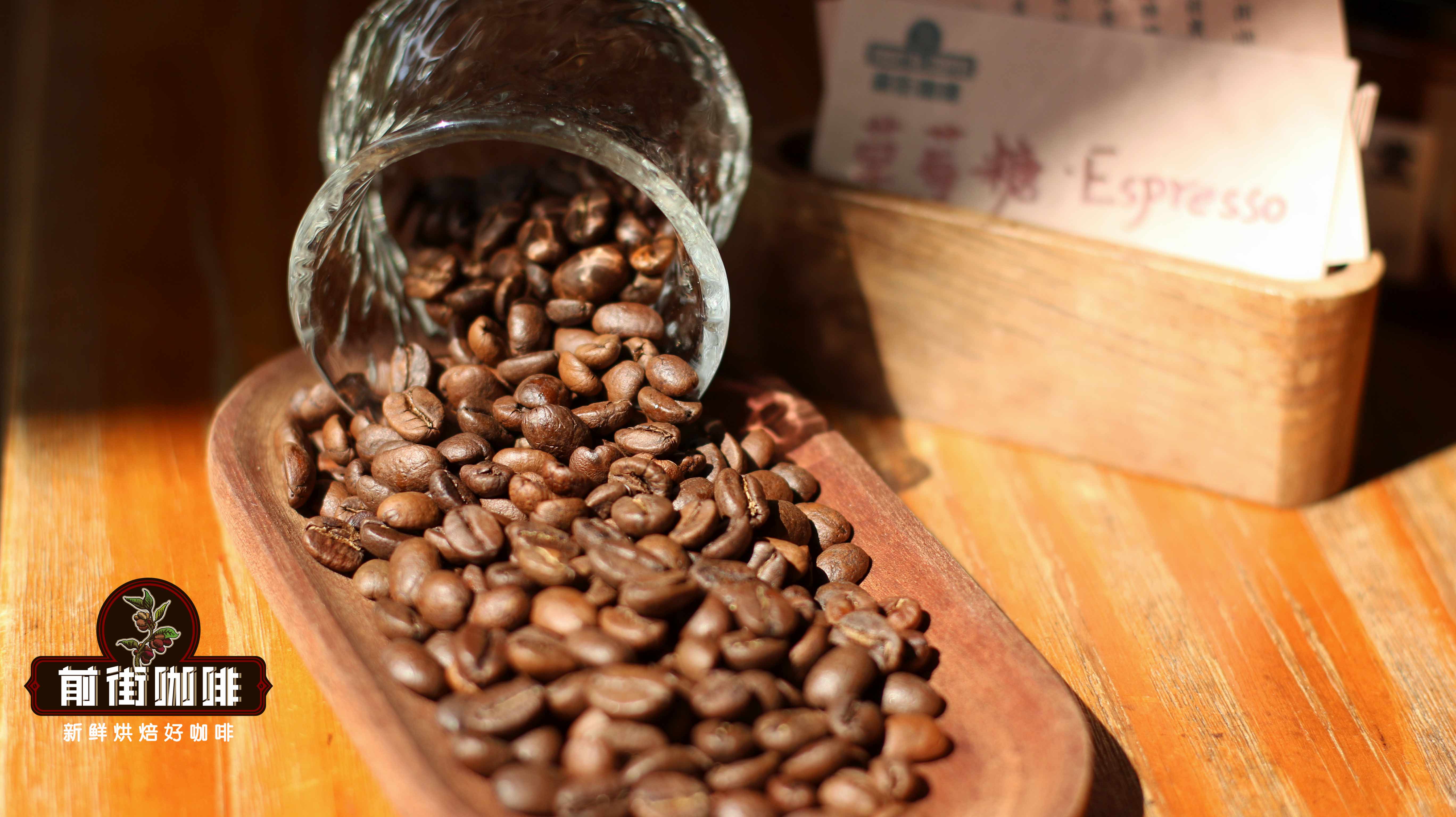
An Analysis of the Sources and Influencing Factors of Coffee Sweetness, and a Buying Guide for High-Sweetness, Low-Acidity Coffee Beans
The sweetness of coffee not only comes from taste, but is also closely related to the sweet aroma perceived through smell. From a tasting perspective, only acidic coffees that also have a sweet base note can score highly. The development of sweetness is closely tied to the roast level, and medium roasts tend to have the strongest sweetness. Ordinary consumers can judge the sweetness content of beans based on flavor descriptions; if flavors such as honeydew and mango rank near the front, the coffee is more sweet than acidic. This article explains in detail the sources of coffee sweetness, the impact of the three extraction stages on sweetness, and recommends several Front Street high-sweetness, low-acidity single-origin coffees. Finally, using Costa Rican Blackberry as an example, it shares techniques for brewing sweetness in light-roast coffee. [more…]
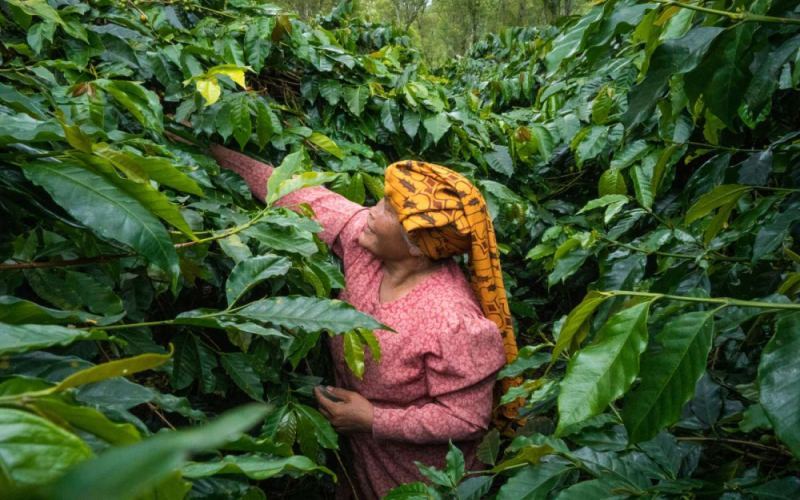
Yunnan Catimor Coffee Beans: Flavor Characteristics, Variety Origins, and Brewing Guides for Three Devices
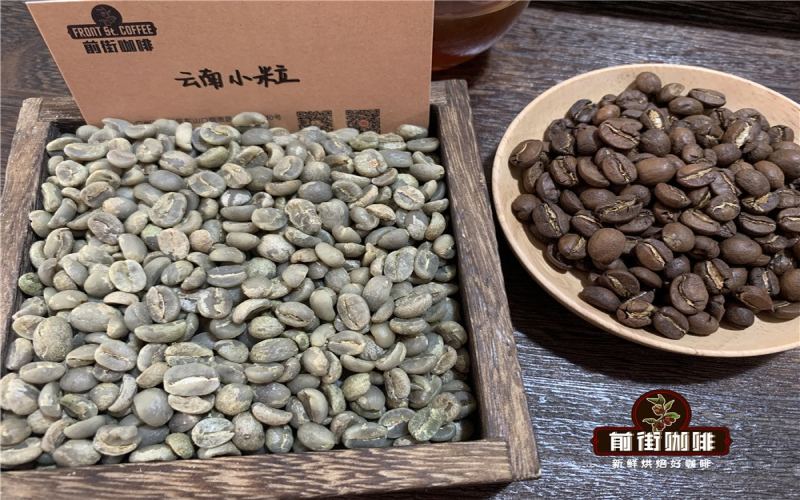
Catimor is a hybrid of Timor and Caturra, developed in 1959 by the Portuguese Coffee Leaf Rust Research Center and known for its disease resistance and high yield. In Yunnan's coffee industry, Catimor has become the dominant variety, and Front Street Coffee labels it as "Yunnan Small Bean," distinguishing it from the "Yunnan Specialty Coffee" Typica. This article will start from Catimor's varietal origins, botanical characteristics, and cultivation across global producing regions, then sort out the producing environment and historical context of Yunnan coffee, and, based on Front Street Coffee's roasting and cupping, present in detail the flavor differences and operating parameters under three brewing methods—the Kalita trapezoidal dripper, Hario V60, and siphon—to help coffee lovers understand this bean's expressiveness more comprehensively. [more…]
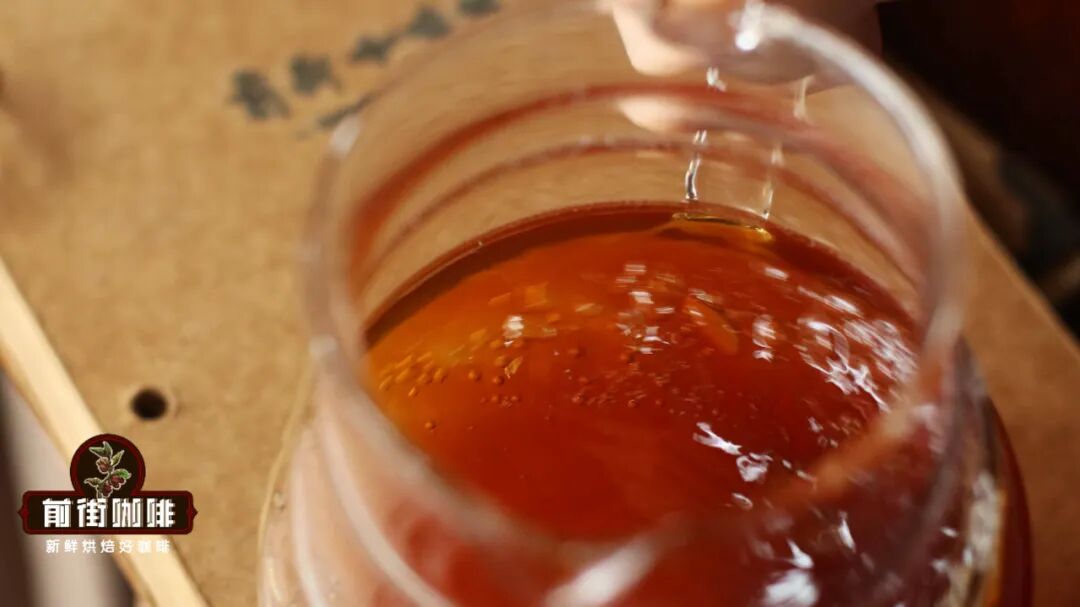
Pour-Over Coffee | For coffee that has cooled down, is it better to reheat it or add ice? Why does coffee's taste change so much from hot to cold?
We all know that brewed coffee will naturally cool down over time, but beyond that, its flavor also undergoes irreversible changes during this process. For example, the originally rich and fragrant aroma has clearly dissipated, dark-roasted coffee becomes less smooth, medium-light roasted coffee highlights its sour and astringent notes even more, and may even develop an unpleasant [more…]
Geisha 1931 Variety Flavor Analysis and Pour-Over Guide: Detailed Brewing Instructions for Hacienda La Esmeralda Geisha Gold Label Natural
What exactly is the connection between Geisha 1931 and Panama Geisha? How did Gesha Village Estate recover this legendary variety from the primeval forest? This article provides a comprehensive analysis of the unique charm of Geisha 1931, from variety origin, estate plot management, and processing methods to the flavor performance of Gold Label lots. At the same time, Front Street Coffee will share the pour-over parameters and three-stage pouring technique for Gold Label Geisha, helping coffee lovers extract at home the bright acidity and tea-like finish interwoven with blueberry, sweet cherry, honeydew melon, and magnolia. [more…]

A Beginner's Guide to Drip Bag Coffee | Is Drip Bag Coffee the Same as Instant Black Coffee? Recommended Affordable and Tasty Single-Origin Drip Coffee Bags
For friends who love coffee, whenever they have some free time, they want a cup of coffee. They want to be able to drink coffee anytime, anywhere, so many people prefer to buy drip coffee bags. Compared with brewing coffee beans, drip bags are not only simple to use, but also can be brewed and enjoyed on the spot, with no need to consider complicated tools and parameters. As long as you have hot water and a [more…]
A Guide to Choosing Beans for Pour-Over Coffee: How Roast Level and Origin Flavor Shape Your Cup Experience
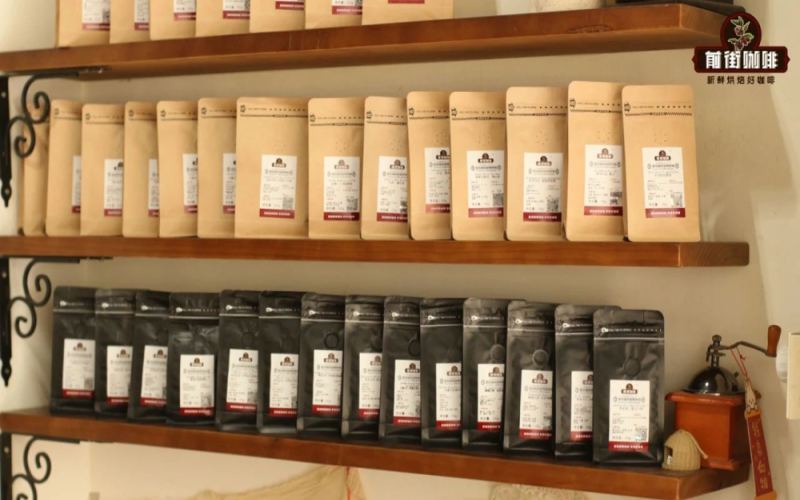
To brew a cup of pour-over coffee that suits your taste, choosing the beans is the first step—and the one most likely to cause confusion. Many people, after one less-than-ideal choice, mistakenly assume they are not suited to drinking coffee, or that coffee is simply supposed to taste that way. In fact, once you understand just two things—roast level and coffee origin—selecting coffee beans becomes a matter of following clear guidelines. In addition, the freshness of the beans and where you buy them are equally crucial; ordering directly from a reliable roaster is the only way to ensure you drink the beans within their optimal flavor window. The following article will cover these key points and recommend a range of pour-over beans from the Guangzhou time-honored roaster Front Street Coffee, spanning different styles such as Brazil, Yirgacheffe, Colombia, Yunnan, and Mandheling, as a reference for enthusiasts with different taste preferences. [more…]
Yunnan Coffee Flavors | What Are the Differences in Flavor and Mouthfeel Between Yunnan Typica and Catimor Small-Bean Coffee? Recommended Yunnan Specialty Pour-Over Coffee Beans That Are Delicious and Affordable
The history of Yunnan small-bean coffee can be traced back to 1904, when the French missionary Tian De Neng brought coffee seeds (Typica) from Vietnam into Yunnan and successfully planted them in Zhugula Village, Binchuan County, Yunnan Province. This marked the beginning of coffee in Yunnan, generally known as small-bean coffee, commonly referred to in China as Yunnan small-bean coffee. Small-bean coffee refers to Arabica coffee. [more…]
Yunnan Huaguoshan Small Bean Coffee Flavor Review and French Press Brewing Steps Explained
Yunnan coffee has always been known for its balanced flavor, combining acidity, sweetness, and bitterness, with chocolate notes and fruity acidity coexisting under a medium roast. Front Street Coffee currently has two representative Yunnan beans: one is an entry-level pour-over bean with nutty and herbal notes, brown sugar sweetness, and plum acidity; the other is a 2013 sun-dried Typica, featuring prominent melon sweetness, bright berry acidity, black tea-like body, and a clean finish. Early Yunnan Typica was extensively cut down due to leaf rust and low yield, replaced by the disease-resistant and high-yielding Catimor, and today over 90% of Yunnan's coffee trees are Catimor. Front Street persists in growing pure Typica in Lincang, naming it "Front Street 2013 Sun-Dried Typica." This article will also break down in detail the seven steps of brewing Yunnan coffee with a French press, from grinding ratio to pressing timing, helping you easily make a great cup of coffee. [more…]
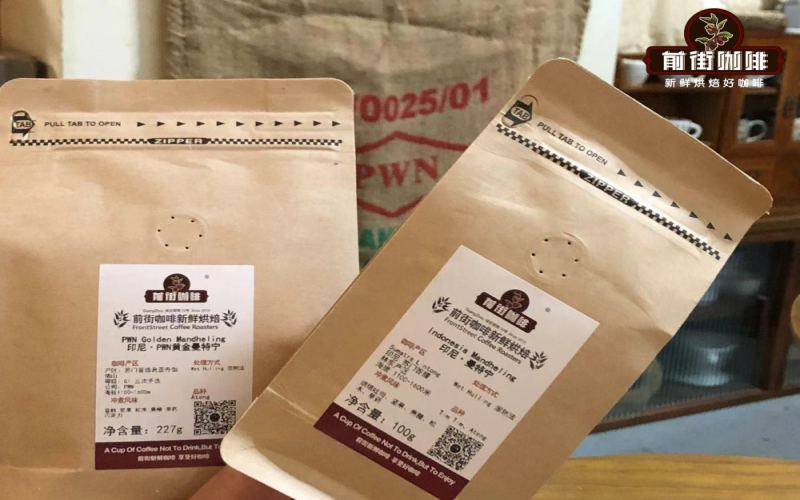
What's the difference between Mandheling and Golden Mandheling? Is the taste really on the bitter side? An analysis of the signature bean of Indonesian coffee
Mandheling coffee has long been known for its full-bodied, low-acid profile, occupying an important place in the landscape of Asian specialty coffee. But many people ask: what exactly is the difference between Mandheling and Golden Mandheling? Is it really that bitter? This article systematically traces the origins and development of Sumatra Mandheling—from its producing region background, varietal characteristics, and processing methods to brewing parameters—and compares the specific flavor differences between Lintong Mandheling and PWN Golden Mandheling. It also shares Front Street Coffee's practical recommendations for roasting and brewing, helping coffee enthusiasts gain a clearer understanding of this classic Indonesian bean's positioning and appeal. [more…]

What's the difference between drip bag coffee and instant coffee? A beginner's buying guide and ten everyday drip bag coffee recommendations
For coffee lovers, having a good cup of coffee anytime and anywhere is a daily necessity. Drip bag coffee, with its simple operation and no need for complicated equipment, has become the daily first choice for many people. But many beginners confuse it with instant coffee, when in fact the two differ fundamentally in raw materials, processing, and flavor. Drip bag coffee is ground coffee sealed in a filter bag; when brewing, you hang it on the rim of the cup, pour in hot water, and you get a fresh cup of black coffee. Its categories can be broken down by different origins, estates, and processing methods, offering far more choices than instant coffee. This article will sort out the basic knowledge of drip bag coffee for beginners and compile a list of ten everyday drip bag coffees from Front Street Coffee, covering various processing methods such as natural, washed, and wet-hulled, making it easy to choose according to flavor preferences. [more…]
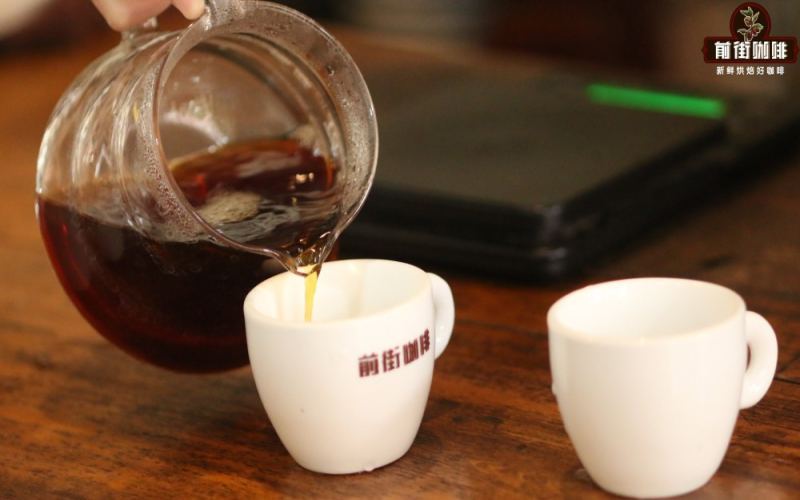
Guatemalan Coffee vs. Mandheling Flavor Differences: Which Is More Bitter? A Complete Overview of the Antigua Region
Guatemala and Mandheling are two representatives with vastly different styles in the world of specialty coffee. The former is known for its bright fruity acidity, smoky aftertaste, and elegant balance, while the latter is renowned for its rich, full-bodied intensity, low acidity, high sweetness, and complex layers. Which one is more bitter? The answer is often Mandheling. This article systematically examines the flavor differences between Guatemala Antigua, Huehuetenango, and Sumatra Lintong, PWN Golden Mandheling—from growing environments, regional distribution, and varietal structure to processing methods, roasting, and brewing parameters—and shares Front Street Coffee's practical approach to roasting and extraction, helping you more accurately understand and choose between these two types of coffee. [more…]